 Espiral Atlas
Metatarsals
ossa metatarsi
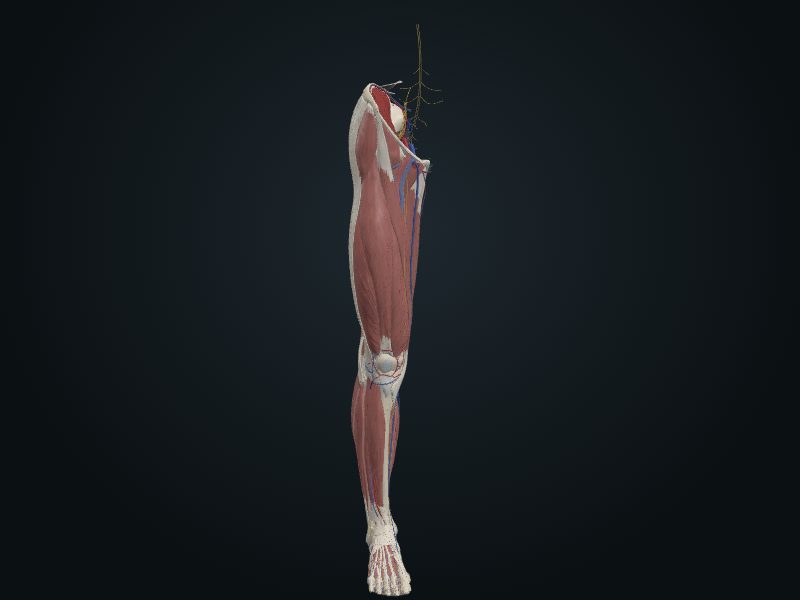
Study entry
Parts
Five bones, numbered from the medial side, each with a base (proximal and largest), shaft and head (distal). The 1st is the shortest and strongest; the 2nd, the longest. The bases of the 1st and 5th have large tuberosities. The tarsometatarsal joints form an oblique line that divides the foot into posterior (tarsus) and anterior (metatarsus and phalanges) halves.
Joints
Tarsometatarsal (bases with the cuneiforms and the cuboid); metatarsophalangeal (heads with the proximal phalanges).
Palpation
The heads, with the thumb on the sole and the index finger on the dorsum (calluses make it difficult).
Source: cap. 7, «Huesos del miembro inferior: huesos del pie: metatarso»
Clinical correlation
Fractures of the metatarsals
A heavy object falling on the foot, or a wheel running over it, breaks the metatarsals. Ballet dancers on demi-pointe also fracture them: they lose their balance and all the weight falls on one metatarsal. Long walks cause stress fractures, usually transverse. In a sudden, violent inversion of the foot, the tendon of the fibularis brevis pulls off the tuberosity of the 5th metatarsal; this is common in basketball and tennis and comes with a severe ankle sprain, pain and swelling at the base of the 5th metatarsal.
Related clinical cases
- Fractures of the metatarsals